Local SEO for Contractors: How to Turn Nearby Searches into Booked Jobs in 2026
Homeowners are no longer flipping through phone books or asking one neighbor for a referral. They open Google, type a question, and expect to see the right contractor within seconds. Search engine results pages now blend traditional links, map listings, and AI-generated answers into a single experie

Homeowners are no longer flipping through phone books or asking one neighbor for a referral. They open Google, type a question, and expect to see the right contractor within seconds. Search engine results pages now blend traditional links, map listings, and AI-generated answers into a single experience that rewards the most trusted, most visible businesses. If your contracting company is not showing up in that mix, you are handing jobs to competitors who are. This guide breaks down exactly how local seo for contractors works in 2026 and what you can do about it today.
Key Takeaways
Contractors' best local leads now come from google search, Google Business Profile, and AI-powered results rather than print ads or word-of-mouth alone. Over 97% of consumers used the internet to find local businesses last year.
Contractors local seo is about clearly showing what you do, where you do it, and why homeowners should trust you across every platform that matters.
Google Business Profile optimization, reviews, and strong service and location pages are the top three levers for generating more calls in 2026. SEO can generate 5x to 15x returns on investment for electricians and other trades.
Local Ranking Coach focuses on local authority building for electricians, HVAC companies, general contractors, plumbers, roofers, and other trades across the United States.
Understanding Local SEO for Contractors
Local SEO is how plumbers, electricians, roofers, HVAC technicians, and general contractors show up when a homeowner searches "contractor near me" in 2026. It is search engine optimization focused specifically on geographic relevance, turning nearby searches into phone calls, estimate requests, emergency visits, and signed contracts.
Local seo connects contractors with homeowners in their service area by matching your services to the searcher's location and intent.
Google weighs three core factors when ranking contractors in local search results: relevance (do your services match the query?), proximity (how close are you?), and prominence (how strong is your reputation?).
Over 80% of consumers research local services online before making a decision. That means your digital marketing presence is often the first impression you make.
Local SEO underpins all other channels, including google ads, paid advertising, social media marketing, and traditional advertising, because it reinforces your brand information everywhere homeowners look.
How Google Chooses Which Contractors to Recommend
When a homeowner searches for a contractor, Google assembles results from the google map pack, AI Overviews, and organic listings. Each surface pulls from overlapping but slightly different signals.
Relevance means your page content and categories match what the homeowner typed. If someone searches "electrical panel upgrade," Google looks for pages explicitly about that service. The same applies to queries like "air conditioning repair" or "kitchen remodel contractor." Your right primary category in your Google Business Profile matters enormously here.
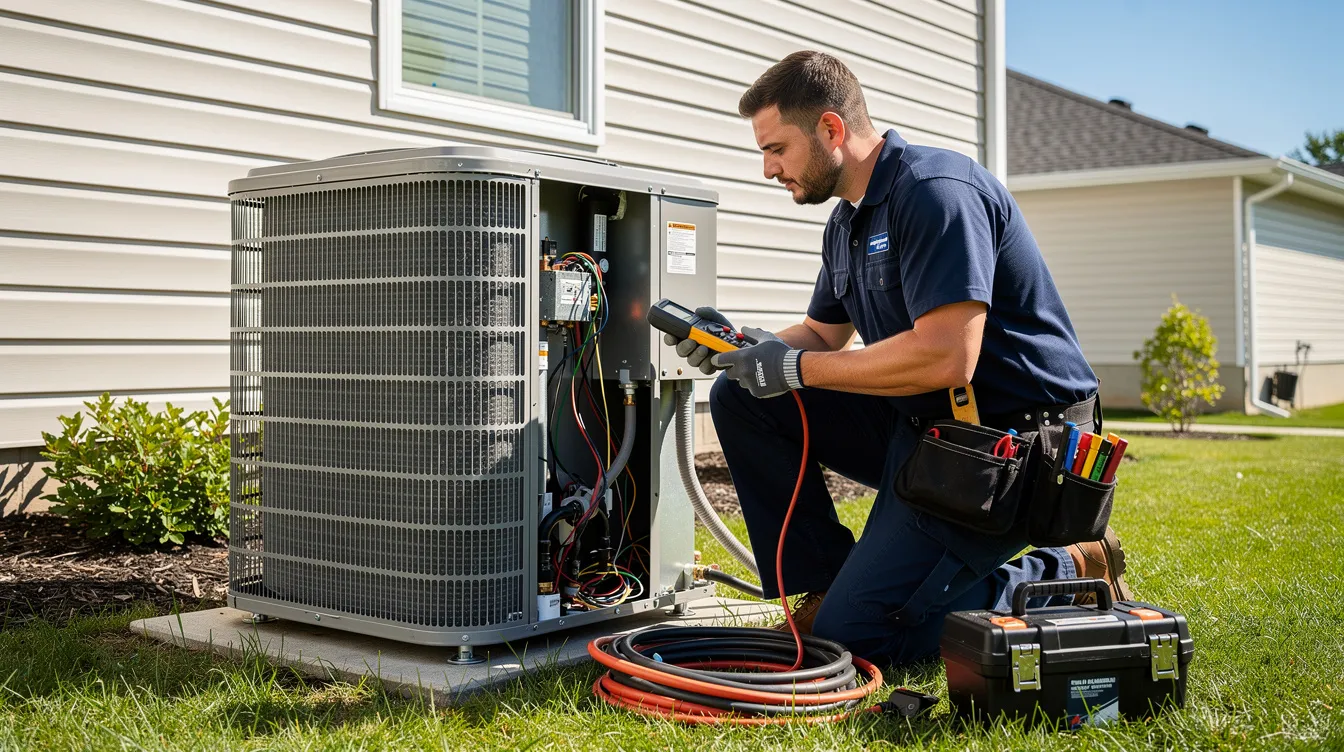
Proximity is straightforward. A homeowner in Ocala searching "AC repair" will see verified air conditioning contractors nearby before those 30 miles away. Your physical location and clearly defined service area determine how far your reach extends.
Prominence is where reputation management comes in. Google reviews count and score, high quality photos, local backlinks from authoritative websites, and consistent local citations on directories like Yelp and Angi all contribute. 54% of homeowners click the first search result, so prominence is the difference between getting the call and being invisible.
Complete Google Business Profiles, detailed service pages, and fresh local content help both Google and AI models see you as the trusted local authority.
10+ Core Local SEO Strategies for Contractors
This is the practical checklist. Each strategy below is a lever that moves the needle for local search rankings, whether you are an electrical contractor in Ocala or an HVAC company in Orlando.
The main pillars: keyword strategy, Google Business Profile optimization, website structure, on-page local SEO, local citations, reviews, local links, AI and voice search readiness, tracking, and scaling to more service areas.
You do not need to be technical. Each sub-section explains what to ask your marketing partner or web person to implement.
These strategies apply to electrical contractors, hvac companies, plumbers, roofers, remodelers, construction companies, and other home service contractors in 2026.
Nail Your Service + Location Keyword Strategy
A strong keyword strategy starts with real jobs and real cities, not generic terms that attract tire-kickers.
Core keywords combine service and location: "emergency electrician in Denver," "air conditioning installation Austin TX," or "bathroom remodeling contractor in Tampa." Localized strategies help contractors appear in search results for specific queries.
Focus on high-intent phrases. Long tail keywords like "24 hour electrician," "same-day AC repair," or "licensed general contractor near me" signal that someone is actively searching with urgent buyer intent.
Build a keyword list for each trade and location you serve, including cities, suburbs, and key neighborhoods. Map each keyword group to specific pages on your site. Use location based keywords consistently.
Drop contractor jargon in favor of consumer language. Homeowners search "breaker box," not "panelboard." They search "AC unit," not "split-system condensing unit." This improves search visibility because it matches how real people talk.
Your Google Business Profile Is the Core Asset
For most contractors, their google business profile generates more local calls than their homepage. A well-optimized Google Business Profile can significantly improve visibility and attract high-intent customers.
Fully complete your GBP: set the right primary category (e.g., "Electrician," "HVAC Contractor," "General Contractor"), add secondary categories, fill in your services list, write a strong business description, set hours, and define your service area. Completing every field in your Google Business Profile improves visibility.
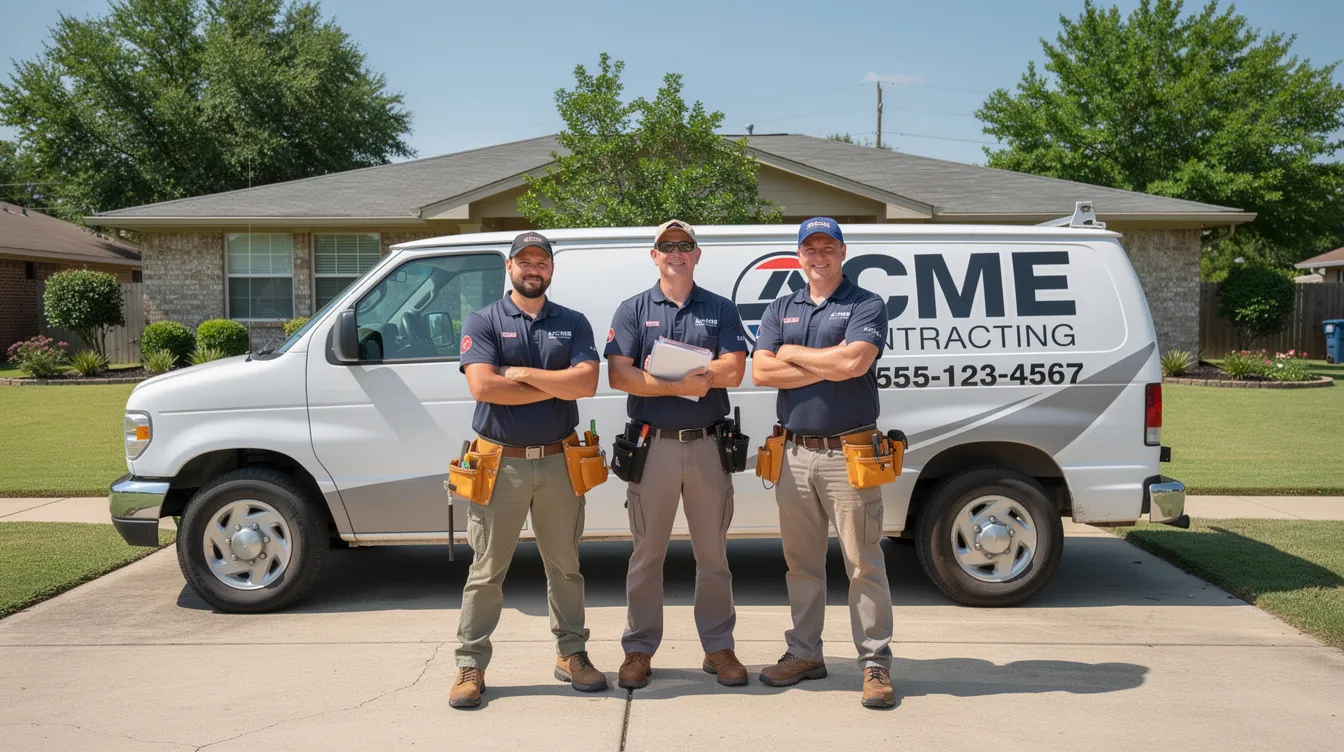
Add 20–40 real photos over time: branded vans, your team on-site, before-and-after jobs, and permits posted at job sites. Profiles with broader, high-quality photo libraries tend to rank better. Update them quarterly throughout 2026.
Post weekly Google Posts with offers, seasonal tips, financing options, or permit reminders. Research shows weekly posting leads to roughly 2.8× higher chance of appearing in the local pack and about 26% more impressions.
Monitor GBP messaging, call tracking, and Q&A daily so homeowners get accurate direct answers and quick replies. 88% of local searches lead to a call or visit within 24 hours, so response speed matters.
Build a Contractor Website That Google and Customers Trust
Your website is the hub of your online presence. Here is what a high-performing contractor site needs for 2026 local SEO.
Clear contact info at the top of every page: phone number, email, service area. A mobile-friendly website improves user experience for local search inquiries, and over 70% of local service searches happen on mobile devices.
Dedicated service pages for each core service. Instead of one generic "Services" page, create individual pages for electrical repairs, generator installation, AC repair, roof replacement, kitchen remodeling, and every other service you actively sell. Creating city-specific service pages is effective to rank for local searches.
Proof elements on your homepage and About page: licenses, insurance details, manufacturer certifications, local authority permits, and association memberships. These trust signals help potential customers and AI models evaluate you quickly.
Real photos, short project summaries, and testimonials on relevant service pages. This improves conversion and serves as evidence for AI systems evaluating your technical expertise.
Your overall site structure and website structure should make it easy for both humans and search engines to navigate from service to location to contact in two clicks or fewer.
On-Page Local SEO That Drives Shortlisting
On-page SEO is how you tell Google and AI what each page is about and where it applies.
Each page should have a unique title tag and H1 mentioning the service and location. Example: "Electrical Panel Upgrade in Columbus, OH – Licensed Electricians."
Include local references within content: neighborhood names, landmarks, local building codes, and climate-related issues. These strengthen local relevance and show authentic presence.
Add strong calls to action near the top: call now buttons, estimate forms, financing info. Google tracks user behavior on your pages, so microconversions matter.
Avoid thin 200-word pages. Write comprehensive, easy-to-scan content explaining the process, pricing ranges, timelines, and FAQs. Optimize images with descriptive alt text that includes service and location context.
88% of local searches lead to a call or visit within 24 hours, so every page should make it obvious what to do next.
Local Citations and NAP Consistency
Citations are online mentions of your business name, address, and phone number. They appear on directories like Yelp, Angi, and HomeAdvisor, as well as local directories, industry sites, and social profiles.
Your NAP must match exactly everywhere: same spelling, same suite number, same phone number. Consistent NAP across citations boosts local seo rankings. Inconsistent citations can confuse Google's algorithm and hurt rankings.
Google uses citations to verify your business information. When your details match across dozens of platforms, Google has higher confidence in your legitimacy.
Claim and clean up major directory listings at least once a year, especially after moving offices or changing numbers. This is essentiallocal citation management.
Track citations in a simple spreadsheet or use a citation management tool so changes are systematic. Random updates across platforms create the inconsistencies that damage online mentions and local rankings.
Reviews Are a Ranking Signal and a Deal Closer
Google reviews are a top-three local ranking factor. They also directly influence whether a homeowner picks up the phone. 70% of customers read Google reviews before making a decision.
Volume, star rating, and recency all matter. Profiles with 50+ reviews at 4.5 stars are 57% more likely to appear in the top 3 Map Pack positions. Review recency has moved from a lower-tier factor to a top-5 signal in 2025–2026.
Send review requests via text or email within 24 hours of job completion, linking directly to the Google review form. Electricians who ask for reviews see 20-35% conversion rates on those requests.
Respond to every review, positive and negative, with short, professional replies that mention services and locations naturally. Responding to reviews improves trust and demonstrates active management.
Build review processes into your operations: review request cards in the truck, scripts for techs, and automated review emails tied to your invoicing or CRM. Customer reviews are important signals of trust for potential clients, and positive reviews enhance credibility and boost SEO efforts.

Local Link Building That Contractors Can Actually Do
Building local backlinks enhances authority and visibility in local search results. Here are realistic, non-spammy methods contractors can execute. Local Ranking Coach has helped local electrical business get more clients with this method.
Sponsor local youth sports teams, neighborhood events, and trade associations that provide website mentions and backlinks from local businesses and community organizations.
Get listed on supplier and manufacturer "find a contractor" pages for brands you install. Major HVAC and electrical equipment manufacturers maintain these directories.
Collaborate with local realtors, property managers, and home inspectors. These partnerships lead to referral links, shared content, and repeat business over time.
Pursue local press and community features that mention your projects, safety initiatives, or charitable work. These earn links from authoritative websites that carry real weight.
Advanced Local SEO for Contractors in an AI-Driven Search World
AI-generated answers and voice assistants are changing how homeowners find contractors in 2026. AI Overviews now trigger in about 40–50% of Google searches, and only roughly 1.2% of local businesses are recommended in ChatGPT responses for service queries.
Advanced tactics help your contracting business become the "quoted source" in Google AI Overviews and tools like ChatGPT, not just a blue link on a search results page.
The advanced areas covered below: voice search optimization, AI-answer readiness, entity-based SEO, hyperlocal content, and behavioral signal optimization.
These tactics build on the basics. Stabilize your reviews, GBP, and core pages before investing heavily here.
Voice Search and Conversational Query Optimization
Voice search is growing as homeowners talk to phones and smart speakers instead of typing.
Common voice queries for contractors in 2026 include "Who is the best electrician near me," "How fast can someone fix my AC," and "Can a contractor handle permits in [city]."
Create FAQ-style content blocks that answer full questions in two to three sentences, using natural language and local details.
Reference service areas and response times naturally: "usually on-site in [city] within 2–4 hours for emergencies." This captures "near me" intent without keyword stuffing.
Structured, conversational content improves odds of being read aloud by Google Assistant, Siri, and Alexa. This is especially relevant for local services queries with urgent intent.
AI-Answer Readiness: Make Your Pages Quotable
AI models pull short, clear snippets from trusted pages when assembling answers. Your job is to make your content easy to quote.
Organize pages with descriptive H2 and H3 headings, bullet lists, and short paragraphs that directly answer "how much," "how long," and "who to call" questions.
Include specific ranges for costs and timelines with location context. Example: "A typical electrical panel upgrade in Ocala, FL runs $1,800–$3,500 depending on amperage and permit requirements."
Add simple definitions of trade terms (GFCI outlet, SEER rating, permit inspection) so AI can quote you as an explainer. This positions you as a local authority for both search engines and AI tools.
Use structured data and schema markup (LocalBusiness, Service, Review, FAQ) so AI engines understand who you are and what you do. Google's structured data documentation provides the technical specifications.
Entity-Based SEO: Build a Strong Local Identity
An "entity" is how Google's knowledge graph understands your business as a distinct thing, not just a collection of keywords.
Maintain identical business information across your website footer, Google Business Profile, and major directories. This consistency is what makes your entity strong.
Earn online mentions from local authority sources: city websites, chambers of commerce, local utility partners, and trade organizations.
Publish consistent content about the same services and locations. Constantly changing your focus confuses Google about what you should be known for in your local market.
Connect your online profiles (GBP, Facebook, LinkedIn, YouTube) so search engines see a unified brand. This unified online presence strengthens your entity for both traditional and AI-driven search.
Hyperlocal Content and Neighborhood Relevance
Move beyond generic city pages toward content about real neighborhoods, HOAs, and local conditions.
Create pages or sections for specific neighborhoods, suburbs, or zip codes where you frequently work. Reference local landmarks and common housing types.
Write about local issues: "air conditioning maintenance before Phoenix monsoon season" or "electrical panel upgrades in older [city] bungalows." This signals genuine local expertise.
Job highlight posts like "Rewired a 1950s home near [local school]" prove authentic experience to homeowners and algorithms alike. These work as both hyperlocal content and proof of past clients served.
Update hyperlocal content annually to reflect building code changes, weather patterns, and local authority permit updates. Stale content loses its edge.

Behavioral Signal Optimization and Microconversions
Google watches user behavior: clicks, calls, dwell time, and bounce rate. These signals influence which contractors show up more often.
Place click-to-call buttons at the top of mobile pages with clear labels like "Call Now for Same-Day Service in [city]." 70% of local service searches now happen on mobile devices, so mobile optimization is non-negotiable.
Add simple quote forms, "text us" options, or booking widgets that can be completed in under 60 seconds on a phone. Reducing friction increases conversions.
Clarify service hours, emergency availability, and response time on every key page to reduce bounces from confused visitors.
Track calls and form submissions back to specific pages using google analytics and google search console. This helps refine which content and layouts produce the best signals and the most qualified leads.
Common Local SEO Mistakes Contractors Must Avoid
Most contractors lose leads not from lack of effort but from fixable local SEO mistakes. Cleaning up mistakes usually improves results faster than adding new tactics or spending more on ad spend. Treat this section as an audit checklist for your online presence in 2026.
Stuffing Keywords Into Your Business Name
Adding phrases like "Best Electrician Dallas Cheap" to your official listing is a violation of Google's guidelines.
Google can penalize or suspend Google Business Profiles that use keyword-stuffed names instead of legal business names.
Inconsistent names between your website, licenses, insurance, and local directories damage trust and entity strength.
Use your real, registered business name everywhere. Highlight services and locations in your business description and service categories, not in the name field.
Publishing Thin or Template Location Pages
Thin pages are near-duplicate city pages with only the city name swapped. Google increasingly filters these out.
Google prefers unique, locally grounded pages over boilerplate templates. Most contractors who rely on duplicated city pages see diminishing returns.
Write at least a few detailed paragraphs per location page, including local projects completed, neighborhoods served, and relevant permits or codes.
Start with your top 3–5 revenue-generating cities and expand only when each location page has strong, unique content. Creating service area pages this way builds organic traffic sustainably.
Targeting Too Many Services You Don't Actually Want to Sell
Many contractors dilute their SEO by trying to rank for every possible service.
Identify your top-profit or most scalable services (panel upgrades, AC replacements, bathroom remodels) and prioritize those in your keyword strategy.
Remove or downplay low-margin, low-priority local services that attract tire-kickers or misaligned leads.
Focusing content and internal links on core services signals to Google and AI what you should be known for. This sharpens your local competition edge.
Relying on Stock Photos Instead of Real Job Proof
Generic stock imagery sends a message that you have nothing real to show.
Replace stock images with authentic project photos taken on real jobs. Smartphone quality is fine if the image is clear and well-lit.
Add short captions with location and service details: "New 200-amp panel installed in a 1970s home in Charlotte, NC – April 2026."
Real photos and captions build credibility with local customers and serve as local proof signals for search engines. This kind of content also gives AI models something specific to reference.
How Local Ranking Coach Helps Contractors Win Local Search
Local Ranking Coach is a specialist in contractors local seo, building long-term local authority for electricians, HVAC contractors, plumbers, roofers, and general contractors across the United States. The focus is on sustainable lead generation through proven strategies, not short-term campaigns that vanish when the budget stops. Every strategy is built around real service areas, real jobs, and measurable calls and booked estimates.
A Proven Strategy Built for Today's AI-Driven Search
Local Ranking Coach's core offerings align with what modern Google and AI search reward:
Google Business Profile optimization, review strategy, and local citation management tailored specifically for contractors.
Website restructuring for service pages and city pages, semantic content development, and internal linking that supports both AI and traditional SEO.
Local search strategy for expanding service areas without cannibalizing local rankings between cities or trades. This includes electrician seo, hvac seo, and strategies for construction companies and electrical companies.
Lead tracking and reporting that ties every SEO initiative back to real-world metrics: calls, form fills, quotes, and closed jobs. No vanity metrics, only steady growth you can measure.
22+ Years of Real-World SEO Experience Helping Contractors
Local Ranking Coach has been helping home service contractors generate more qualified leads since the early 2000s through a proven process refined across thousands of campaigns.
Experience spans electrical contractors, HVAC and air conditioning companies, plumbers, roofers, painters, and remodelers across the electrical industry and beyond.
Typical results include improved Map Pack visibility, more google reviews, and higher conversion from existing traffic. Local SEO can increase your monthly revenue by $126,000 from ranking in the top position for competitive service queries.
Consider the opportunity cost of DIY SEO versus working with a partner who already knows what works for contractors in 2026. The right digital marketing partner saves you time and accelerates results.
Frequently Asked Questions About Local SEO for Contractors
These FAQs address common concerns from contractors at every stage, from those just getting started to those looking to scale.
How long does local SEO take to generate leads for contractors?
Most established contractors see early improvements in online visibility and calls within 60–90 days after fixing basics like GBP, citations, and core service pages. Highly competitive metro areas or brand-new domains often need 6–9 months for consistent Map Pack and organic rankings. Reviews, content updates, and link-building should be ongoing throughout 2026 for compounding results.
What budget should a small contracting business plan for local SEO in 2026?
Serious, ongoing local SEO for contractors in competitive trades typically runs in the low four figures per month. Budgets vary by local market size, number of locations, and service lines. A single-city electrician has different needs than a multi-city general contractor. Start with a level that comfortably covers Google Business Profile optimization, content creation, citation cleanup, and ongoing adjustments.
Do contractors still need Google Ads if they invest in local SEO?
SEO and google ads serve different roles. SEO builds long-term, lower-cost leads through organic traffic and Map Pack presence. Paid advertising through Google Ads can generate immediate traffic for high-intent keywords like emergency services. Many contractors run both channels, and both benefit from accurate landing pages, clear service information, and strong reviews. Neither replaces the other; they compound.
Is local SEO different for electrical contractors, HVAC, and general contractors?
Core principles are the same, but content and keyword focus change by trade. Electrical contractors often emphasize safety, permits, and panel upgrades in their electrical business content. HVAC companies focus on air conditioning, furnaces, and seasonal maintenance. General contractors highlight full projects, timelines, and permit coordination. Local Ranking Coach customizes keyword strategy, content, and review prompts for each trade's typical jobs and local regulations.
What is the first step a contractor should take if they have done no local SEO yet?
Claim and fully optimize your Google Business Profile as the immediate first move. A fully optimized Google Business Profile can attract high-intent customers from day one. Next, standardize your NAP across directories, build or update core service pages, and put a simple review request system in place. Then schedule a professional SEO audit to uncover gaps in website structure, citations, and content before investing heavily in ads or expansion.
Conclusion: Turn Local Search into a Reliable Lead Source
In 2026, homeowners increasingly rely on Google, AI answers, and reviews to choose electrical contractors, hvac companies, and general contractors. 88% of local searches lead to a call or visit within 24 hours, meaning every missing detail or incomplete profile is a lost job. Contractors who clearly show what they do, where they work, and why they are trustworthy will win more of these searches and build a pipeline of repeat business and referrals.
Ready to future-proof your contracting business? Contact Local Ranking Coach to audit your current local SEO, improve your online visibility, and build a long-term lead generation system that compounds month after month.
With over 22 years of real-world SEO experience, Local Ranking Coach helps HVAC companies, electricians, plumbers, roofers, painters, and other home service contractors increase visibility, generate more qualified leads, and grow revenue.
Call Local Ranking Coach today: 1-800-301-6220