Google Map Pack Ranking: How Local Businesses Can Win More Customers From Local Search
When someone in your area searches for a service you offer, three local businesses appear at thetop of Google with a map, star ratings, phone numbers, and directions. That block of three listings is the Google Map Pack, and it sits above nearly every organic result on the page. For most local busine

Introduction: Why Google Map Pack Ranking Matters for Every Local Business
When someone in your area searches for a service you offer, three local businesses appear at thetop of Google with a map, star ratings, phone numbers, and directions. That block of three listings is the Google Map Pack, and it sits above nearly every organic result on the page. For most local businesses, the Map Pack is the single most valuable piece of real estate in all of digital marketing.
The difference between ranking in the Map Pack, showing up inside the Google Maps app, and appearing in traditional local search results (the blue links below the map) matters more than most business owners realize. The Map Pack pulls its data primarily from your Google Business Profile and displays results right inside Google Search. Google Maps app results lean even more heavily on proximity and user engagement. Traditional organic search results depend mostly on your website content, backlinks, and on site seo services. A business can rank first in the Map Pack but eighth in organic results, or the reverse, because each surface runs on overlapping but distinct signals.
The numbers tell the story clearly. Google Maps results account for 28.8% to 32.3% of clickthrough rates on local search result pages. Research shows the Map Pack captures roughly 44% of all clicks on local intent queries, while organic blue links collect about 29%. Meanwhile, 50% of local searches lead to store visits within a day. If your business is not in those top three Map Pack positions, you are losing real phone calls, quote requests, walk-in traffic, and revenue to competitors who are.
The Google Map Pack is a critical source of local customers, and understanding how to rank there is no longer optional for any local business that depends on its surrounding community. Throughout this article, you will see terms like google map pack ranking, local search, Google Business Profile, gbp optimization, local listings, and google maps marketing used frequently. Each plays a specific role in the system that determines whether your business shows up when potential customers are searching.
This article provides a practical, step-by-step roadmap that any local business owner can follow to improve their Google Map Pack rankings, whether you run a roofing company, a dental practice, a restaurant, or a law firm.
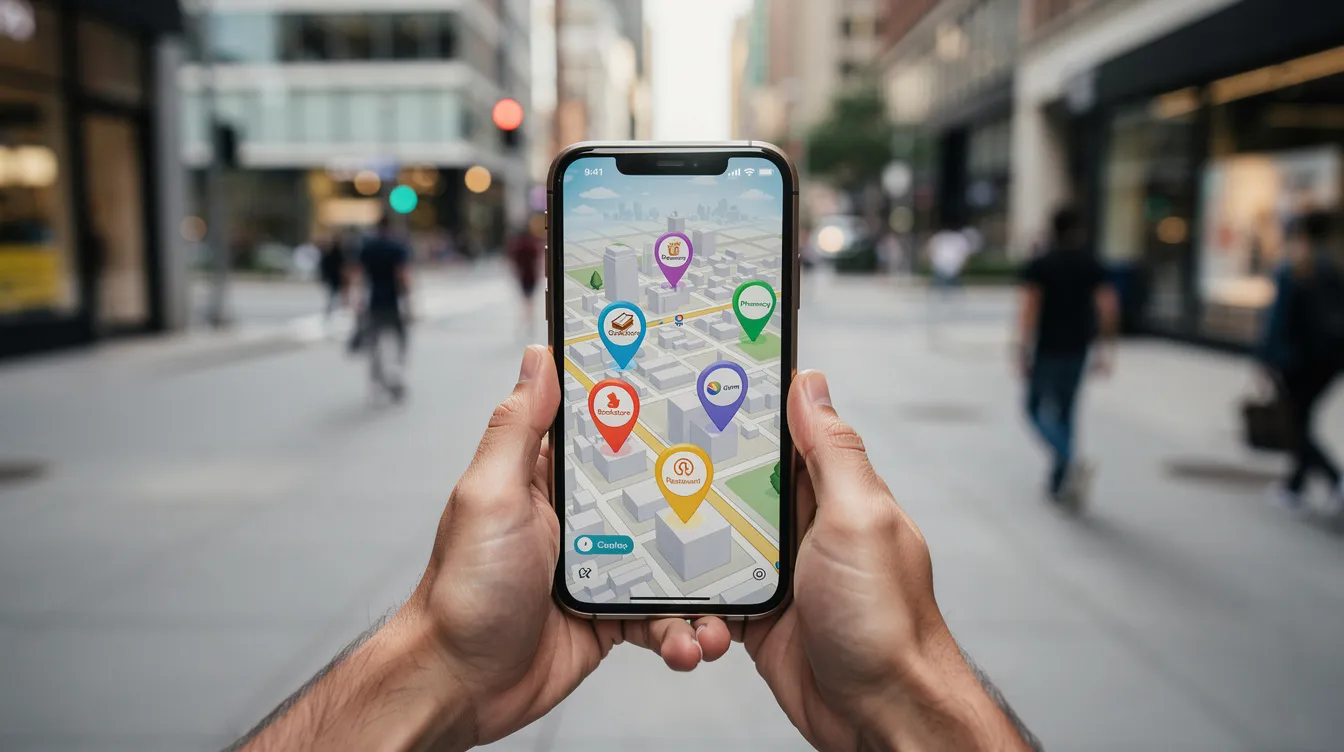
Map Pack vs Google Maps vs Local Search: What's the Real Difference?
Most business owners treat the Map Pack, Google Maps, and organic local search as the same thing. They are not. Understanding where and how each surface works is the first step toward a real strategy.
The Map Pack appears inside standard Google Search when Google detects local intent in a query. It shows three business listings with a small map, pulled almost entirely from Google Business Profile data. The Google Maps app and maps.google.com display a broader set of results and put even more weight on physical proximity and engagement signals like direction requests and calls. Traditional organic search results (the blue links below the Map Pack) are driven by website SEO, backlinks, content quality, and off site seo services. These three surfaces share some ranking signals, but each emphasizes different factors.
Consider a concrete example. When someone searches "plumber near me," the Map Pack might show Plumber A at position one because they have a fully optimized Google Business Profile with 85 recent reviews and the correct primary category. That same plumber might rank eighth in organic results because their website lacks strong content and backlinks. Meanwhile, Plumber B might rank first organically with an excellent website but sit at position four in the Map Pack because their GBP has only 12 reviews and an incomplete profile. Different algorithms, different winners.
User intent and context also shape what Google shows. Mobile searches with GPS enabled lean heavily toward Map Pack and Maps results. Desktop searches from a signed-in browser may blend organic and Map Pack differently. Searches with a specific city name center the distance calculation around that city, while "near me" queries use the searcher's exact location.
While strategies overlap (reviews help everywhere, consistent business information matters across the board), Map Pack and google maps results require specific GBP-focused optimization beyond standard website SEO. Your brand strategy should treat all three surfaces as interconnected channels. Visibility across the Map Pack, Maps, and organic results together is what converts local search traffic into consistent leads, appointments, and revenue.
How Google Decides Which Local Businesses Rank in the Map Pack
Google has publicly stated the factors it uses to rank local businesses, and it is worth noting upfront: you cannot pay Google directly to rank higher in the Map Pack. Paid ads sit above or around the Map Pack, but the three organic local listings are earned.
Relevance, distance, and prominence are key ranking factors. Google uses these three core signals to decide which businesses appear in the top three local listings for any given search query.
Relevance measures how well a Google Business Profile matches a user's search. If someone searches "Italian restaurant in Chicago," Google compares that query against your primary category, secondary categories, services listed, and business description. A restaurant categorized as "Italian Restaurant" with a description mentioning house-made pasta will match better than one simply categorized as "Restaurant." Adding detailed information improves your listing's relevance and directly influences whether you appear for relevant searches.
Distance refers to the physical proximity of a business to the searcher. For "near me" queries, Google uses the searcher's GPS or IP location. For city-name queries, it centers on the city. A business five blocks from the searcher will almost always have an advantage over one fifteen miles away, though this can be offset by strong relevance and prominence signals. Service area businesses that hide their address can still rank, but they face a disadvantage in explicit proximity-based searches.
Prominence describes how well-known a business is across the web. This is where things get layered. Google evaluates your review count, average star rating, review recency, branded search volume, citations and directory listings, backlinks from local sources, and overall online authority. Industry research shows GBP signals account for roughly 32% of Map Pack ranking weight, on-page website signals about 19%, review signals around 16%, and link signals approximately 15%.
Beyond the big three, secondary factors matter. Profile completeness, high-quality photos, posting frequency, website quality (page speed, mobile-friendliness), and behavioral signals all play a role. Engagement signals like clicks and calls are important for ranking. Google tracks how often users request directions, click to call, or visit your website from your listing. Google favors active listings that have regular engagement and updates, which means a profile that sits untouched for months gradually loses ground.
Why Your Business Isn't Ranking in the Google Map Pack (Yet)
If your business isn't showing up in the top three Map Pack results, you are not alone. Most businesses in any given market are outside the Map Pack, and the frustration of seeing competitors above you, especially ones you know you outperform, is real. But the reasons are usually fixable.
Incomplete or unverified Google Business Profile. Research shows about 41% of small businesses have incomplete profile information, and 29% of profiles lack a business description entirely. Completing your Google Business Profile improves local search visibility immediately. A dentist with no services listed and a generic description is invisible to Google for specific queries like "teeth whitening near me."
Wrong or missing categories. Your primary category is one of the most influential ranking signals. A contractor who selects "General Contractor" instead of "Plumber" as their primary category will not rank well for plumbing searches. Secondary categories matter too but cannot compensate for a mismatched primary.
Inconsistent business information. If your phone number on Yelp is different from your website, and your address on Apple Maps uses a suite number your GBP does not, Google loses confidence in your data. Businesses with consistent NAP data see roughly 18% higher local visibility than those with mismatches. Local businesses should maintain consistent Name, Address, and Phone number data across every platform.
Lack of recent Google reviews. A profile with 200 reviews from two years ago and nothing recent will lose ground to a competitor steadily gaining five to ten reviews per month. Review velocity, not just total count, is now a strong ranking signal.
Weak website and local SEO signals. If your website is slow, not mobile-friendly, and lacks local landing pages or schema markup, it drags down the prominence signals that feed into Map Pack rankings. On-page signals carry roughly 19% of local ranking weight.
Policy violations can make things worse. Keyword stuffing in the business name, creating fake locations, or purchasing fake reviews can trigger ranking drops or full GBP suspensions. These tactics create short-term gains and long-term disasters.
The good news: every one of these issues has a clear fix. The following section walks through each solution step by step.
Step-By-Step: How to Improve Your Google Map Pack Ranking
This section is a practical checklist that any local business can implement over a few weeks to start seeing improvements in Map Pack visibility. The steps follow a logical order: claim and verify, optimize your profile, fix your citations, grow your reviews, and strengthen your website.
Each step includes examples for common local businesses, from roofers and restaurants to law firms and home services. Focus on the quick wins first, then build the deeper strategies over time.
Step 1: Claim, Verify, and Secure Your Google Business Profile
If you have not claimed your business profile, start at google.com/business or search for your business in the Google Maps app and select "Claim this business." If no listing exists, you can create one from scratch.
Google offers several verification methods: postcard to your business address, phone call, email, or video verification. Postcards typically arrive in five to fourteen days. If yours does not arrive, request a new one rather than changing your address. Video verification requires you to walk through your business showing signage, inventory, and the surrounding area. Common rejection reasons include blurry footage or missing exterior signage.
Use your official business name exactly as it appears on signage and legal documents. Do not add keywords like "Best Plumber in Ocala" to your name. Use your real street address, primary phone number, and the website URL that matches your other listings.
Enable two-step verification on the Google account that owns your business profile and limit manager access. This prevents former employees or competitors from making unauthorized changes.
For service-area businesses (plumbers, roofers, landscapers) that operate from a home address, you can hide your street address while defining service areas. You will still rank locally, though explicit "near me" queries may slightly favor businesses with visible addresses.
Double-check that your GBP information exactly matches what is on your website and other major local listings. Even small differences (St. vs Street, different phone formats) can create inconsistency that hurts ranking.
Step 2: Optimize Every Detail of Your Business Profile (GBP Optimization)
GBP optimization is the foundation of google maps marketing and Map Pack ranking. A fully completed profile outperforms a partially filled one almost every time. Optimizing your GBP can increase visibility in local searches significantly.
Key fields to fully optimize:
Primary and secondary categories: Select the most specific primary category available. Add relevant secondary categories.
Business description: Write a clear, 750-character description using natural, location-aware keywords. For example, "emergency HVAC repair serving Ocala and surrounding areas" rather than keyword-stuffed gibberish.
Services and products: List every service you offer with descriptions. This feeds directly into relevance matching.
Attributes: Select all applicable attributes like "women-owned," "24-hour service," "wheelchair accessible."
Hours and holiday hours: Keep these accurate and regularly update them for holidays and seasonal changes.
Appointment links: Add direct booking URLs if applicable.
Upload at least 10 to 20 high-quality photos: your exterior, interior, team members, before-and-after work, menu items, or equipment. A study of 4,000 GBP profiles found that profiles with team photos had roughly 35% higher click-through rates than those with only product or storefront images. Update photos monthly.

Use GBP Posts consistently. Share updates, offers, events, and FAQs weekly or biweekly. This improves engagement and freshness signals. Regular updates to your GBP enhance its perceived popularity in Google's system.
Enable messaging, add frequently asked common questions to the FAQ section, and use UTM parameters on your website and appointment URLs so you can track exactly how much traffic comes from your Map Pack listing.
Step 3: Build Consistent Local Citations and Local Listings
Citations are mentions of your business name, address, and phone number on directories and websites across the web. They are one of the primary ways Google validates that your business is real, established, and trustworthy. Local seo citations help Google verify your business's authenticity and improve rankings.
Start by auditing your existing listings. Search your business name in Google and check the top directories: Yelp, Bing Places, Apple Maps, Better Business Bureau, Facebook, and your local Chamber of Commerce. Note any inconsistencies in spelling, address format, or phone number.
Keep NAP identical everywhere. If your GBP says "123 Main Street, Suite 4," every directory should say exactly the same thing. Correct outdated or duplicate listings that could confuse search engines and hurt your local rankings.
Prioritize these general directories, then add niche-specific ones:
Yelp, Bing Places, Apple Maps, Facebook, BBB, Chamber of Commerce
Avvo (lawyers), Healthgrades (medical), HomeAdvisor (contractors), TripAdvisor (restaurants)
Quality and accuracy matter more than sheer quantity. Twenty accurate, consistent listings outperform one hundred sloppy ones. Recheck every six to twelve months, especially after a move, rebrand, or phone number change.
Step 4: Systematically Generate and Manage Google Reviews
Positive reviews influence both rankings and consumer trust. Review signals account for approximately 16% of Map Pack ranking factors, and 91% of consumers prefer businesses with positive reviews when choosing a local service provider. A steady flow of recent, authentic google reviews is one of the most powerful levers you can pull.
Build a simple, compliant review generation process:
Ask at the right moment: Immediately after a successful service, when the customer is most satisfied.
Provide a direct link: Create a short URL or QR code that takes customers directly to your Google review form.
Follow up: Send a brief email or text message reminder within 24 to 48 hours if the customer has not left a review.
Making review requests simple boosts customer engagement dramatically. Specific tactics that work well include QR codes at checkout counters, review links in email signatures, follow-up texts after service calls, and printed review request cards handed to customers.
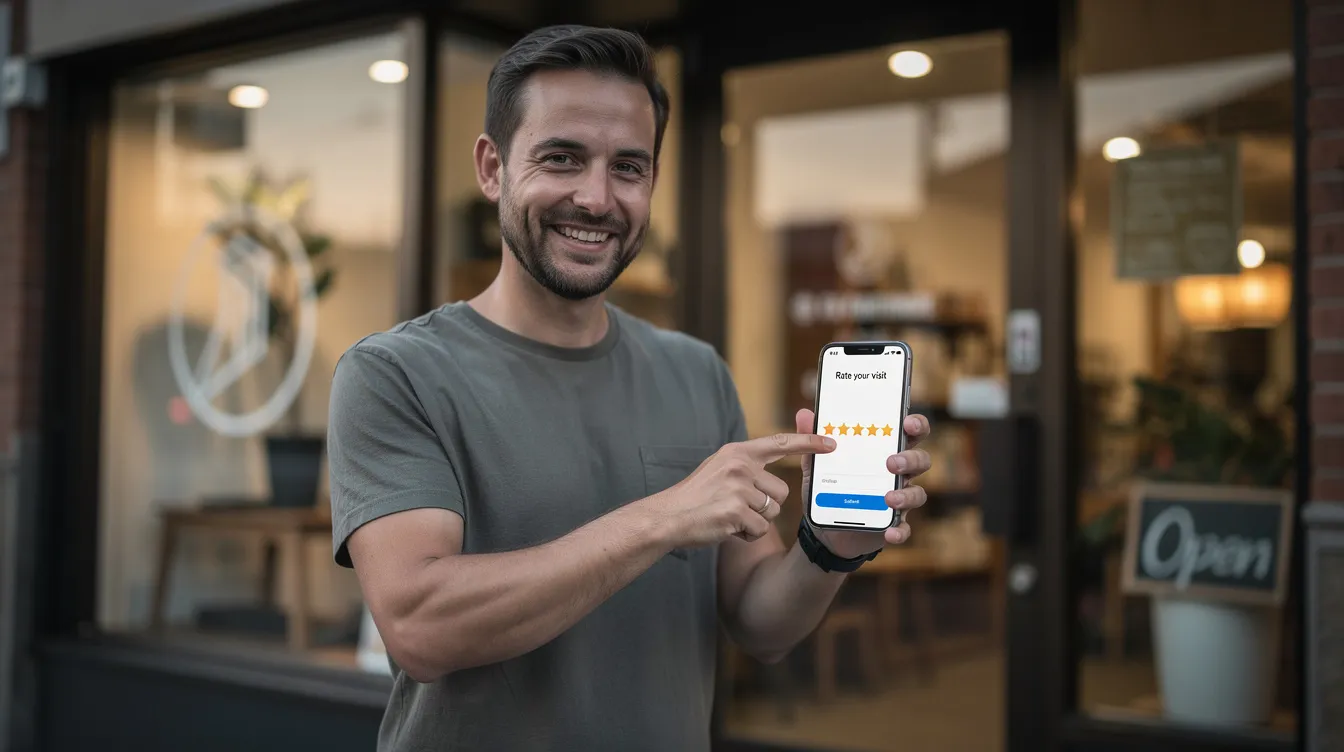
Respond to every review, positive and negative, in a professional and timely manner. Responding to reviews shows attentiveness to potential customers who are reading them before making a decision. Use natural language in responses that reinforces your services and location without sounding forced.
Automating reviews can increase 5-star ratings and trust over time by ensuring no customer interaction falls through the cracks. Review management tools can schedule follow-ups and track response times.
Never buy fake reviews or offer incentives for biased ones. This violates Google's policies and can result in penalties or profile suspension. Track review velocity, average star rating, and response time as core KPIs for your online reputation and Map Pack performance.
Step 5: Strengthen Website SEO to Support Local and Map Pack Rankings
While Map Pack rankings rely heavily on your Google Business Profile, Google still uses website authority and relevance signals to decide which local businesses to feature. Your website is the backbone of your off site seo and on site seo efforts combined.
Create city-specific and service-specific landing pages with unique content. A page titled "Roof Repair in Ocala FL" with original photos, service details, and clear contact information signals relevance far better than a generic "Services" page. Creating local content improves relevance in local searches and feeds directly into both Map Pack and organic rankings.
Cover basic on-page SEO for each local page:
Optimized title tags and meta descriptions with location and service keywords
Clear H1 and H2 headings
Internal links connecting related service pages
Schema markup (LocalBusiness, Service, FAQ) to help search engines understand your content. Schema markup helps Google understand business information effectively and can improve how your listing appears in search results.
Mobile-friendly design and fast page load times are non-negotiable. Most local searches happen on phones, and users coming from Google Maps or Map Pack results expect instant loading and easy-to-tap calls-to-action.
Ensure NAP consistency on your website (footer and contact page match your GBP exactly) and embed a live Google Map with your correct business pin. Local backlinks establish local authority for businesses, so pursue links from your Chamber of Commerce, local news outlets, community organizations, and event sponsorships. Even a handful of strong local backlinks can meaningfully boost prominence.
Advanced Tactics to Outrank Competitors in Google Maps and the Map Pack
Once the fundamentals are solid, advanced tactics can help you leapfrog entrenched competitors in competitive niches where multiple businesses are fighting for the same three Map Pack slots.
Use grid-based rank tracking to visualize where your business ranks across your entire service area, not just at your office address. These tools show a map grid with your ranking at each point, revealing exactly where you are strong and where you drop off. This data helps you understand the real impact of distance on your visibility.
Conduct keyword research landing on local intent terms. Go beyond "plumber near me" and target neighborhood names, landmarks, and hyper-local phrases in your GBP Posts and website content. Phrases like "water heater repair near downtown Ocala" or "emergency electrician Silver Springs Shores" can capture specific keywords that larger competitors overlook.
Leverage local PR, sponsorships, and partnerships. Sponsoring a youth sports league, a local charity event, or a community festival often earns backlinks from local news sites and organization pages. These are exactly the kind of link building signals that boost prominence.
Proactive spam fighting can also help. If competitor listings in your Map Pack are using keyword-stuffed business names, fake addresses, or violating Google's guidelines, you can report them through Google Maps. Select the listing, click "Suggest an edit," and flag the issue. Google does not always act quickly, but consistent reporting helps clean up your local market.
Finally, optimize your profile for engagement. Better photos, a more compelling description, updated FAQs, and timely Posts all improve the behavioral signals (clicks, calls, direction requests) that feed back into ranking. Think of your GBP as a living marketing asset, not a static listing.
Tracking, Measuring, and Improving Your Google Map Pack Performance
What gets measured gets improved. Map Pack results vary by location, device, and time of day, so tracking requires a deliberate approach.
Key metrics to monitor:
Map Pack visibility for your target keywords
Google Maps ranking at different distances from your location
Calls and direction requests from your GBP
Website visits originating from Maps
Google reviews count, average rating, and recency
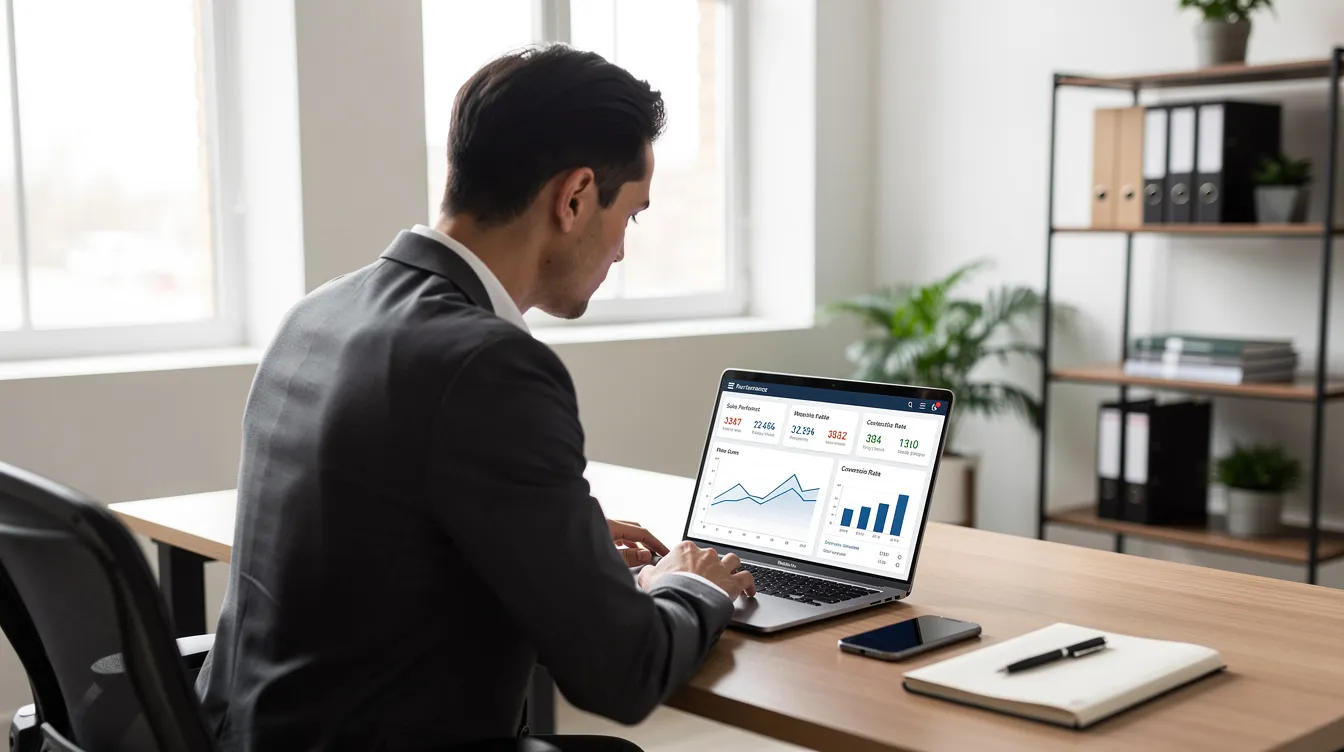
Google Business Profile Insights provides data on how customers find your listing, what searches trigger it, and what actions they take. Combine this with website analytics to see the full picture of how Map Pack traffic converts into qualified leads.
For rank tracking, manual incognito searches with location settings adjusted give a quick read, but grid-based tools provide a more complete picture. Avoid obsessing over a single daily ranking; look at trends over weeks and months.
Review your performance data monthly or quarterly. Adjust categories, content, photos, and review efforts based on what is actually driving calls and leads. Not every tactic works equally in every market, and data tells you where to focus.
Document every change you make: profile updates, new pages published, review campaigns launched. This lets you correlate improvements in Map Pack ranking with specific actions, turning your seo strategy from guesswork into a system.
Common Mistakes That Hurt Google Map Pack Ranking (And How to Fix Them)
Many ocala businesses and local businesses everywhere unintentionally sabotage their own Map Pack rankings with avoidable errors. Here are the most common ones.
Keyword-stuffed business names. Adding "Best" or city names to your GBP name violates Google's guidelines and risks suspension. Fix: use your legal business name only.
Inconsistent tracking phone numbers. Using different call tracking numbers on your GBP, website, and directories creates NAP confusion. Fix: use one primary number everywhere, or ensure tracking numbers are implemented correctly with a consistent underlying number.
Duplicate listings. Multiple GBP listings for the same business at the same location split your authority and confuse Google. Fix: merge or remove duplicates through GBP support.
Ignoring GBP updates. Letting your profile go stale with outdated hours, no new photos, and no posts tells Google your business may not be active. Fix: regularly update hours, photos, and posts at least monthly.
Never posting photos. Profiles without recent photos underperform consistently. Fix: upload new, high-quality images every month.
Failing to update holiday hours. Customers who show up to a closed business leave negative reviews. Google also flags accuracy issues. Fix: set special hours for every holiday in advance.
Ignoring user-suggested edits. Anyone can suggest changes to your GBP. If you do not monitor and reject incorrect suggestions, Google may accept them. Fix: check your GBP weekly for suggested edits.
Falling for spammy "Google Maps SEO" offers. Services promising instant Map Pack results through fake reviews, virtual offices, or black-hat tactics create real risk. Google's enforcement is increasing, and the penalties include full profile suspension.
Be cautious of shortcuts. Most of these mistakes can be cleaned up with consistent effort over a few months. The businesses that treat their GBP as a professional marketing channel, not an afterthought, are the ones that hold ranking higher positions long-term.
Conclusion: Turn Google Maps Visibility Into Real Customers
Consistent Google Business Profile optimization, accurate business information, strong local seo, and active review management together drive Map Pack ranking improvements. None of these tactics work in isolation. The businesses dominating the top three positions in their markets are doing all of them, steadily and deliberately.
The business impact is concrete: more online visibility, more phone calls and messages, more appointments, and stronger brand trust. When 91% of consumers prefer businesses with positive reviews and 50% of local searchers visit a store within a day, the connection between Map Pack presence and revenue is direct. Ranking in the Map Pack is how you turn local customers into real results for your growth potential.
Treat google maps marketing and Map Pack optimization as a long-term brand strategy, not a one-time task. Google rewards consistency, freshness, and genuine engagement. The businesses that build trust with their community through real service, authentic reviews, and a well-maintained presence are the ones that stay on top.
Start today. Audit your current Google Business Profile, fix one issue, and plan a 30-day improvement sprint. If you feel overwhelmed by the process, consider partnering with a specialized local seo consultant or agency like Local Ranking Coach that focuses specifically on google map pack ranking and GBP optimization. Any legitimate local business can earn Map Pack visibility with the right strategy and consistent execution.